

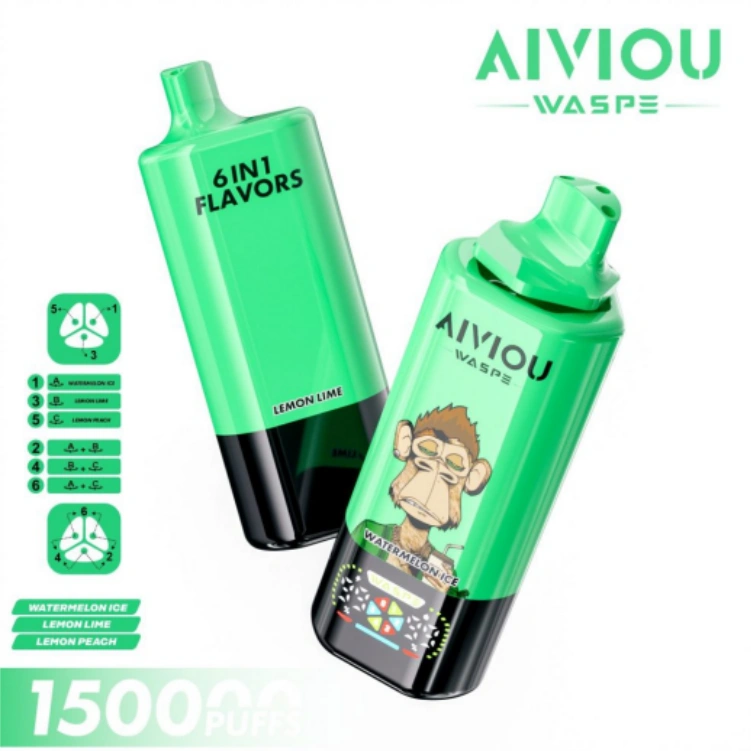
Building upon the discussion of advantages of the simple design of disposable electronic cigarettes, the portable and lightweight characteristics of a disposable e-cigarette’s body are not merely conveniences but fundamental design outcomes that directly enhance user adoption and daily utility. The emphasis on portability and minimal weight stems from the core use case of disposables as on-the-go alternatives, addressing the need for always-available satisfaction without the burden of carrying additional equipment. This design philosophy aligns with and supports the practical handling and storage considerations previously explored, such as sport carrying and leak prevention, by making the device inherently easier to manage and stow safely.
Ergonomic Carry and Discreet Storage
The lightweight nature of these devices, often achieved through optimized internal component layout and the use of lightweight polymers or aluminum alloys, allows them to be carried with negligible added bulk. An adult user can comfortably place a device in a shirt pocket, a jeans coin pocket, or a small compartment in a bag without it becoming a noticeable weight or causing fabric to sag. This ease of carry encourages users to have the device readily accessible when needed, which can be a critical factor for those relying on it as an alternative. The compact form factor, frequently cylindrical or slim rectangular, complements this by enabling discreet storage in environments where discretion is valued, seamlessly integrating into a personal carry ecosystem without demanding dedicated space.
User Fatigue Reduction and Enhanced Handling
Extended handling of any object, even for short periods, can lead to hand fatigue if the device is poorly balanced or overly heavy. A portable, lightweight body mitigates this issue. The weight distribution in a well-designed disposable is typically centered, making it feel secure and natural when held between the fingers. This reduces muscle strain during use and makes the device feel like a natural extension of the hand rather than a separate tool. Improved handling directly impacts the overall experience, making each draw动作 (action) feel effortless. This ergonomic consideration is crucial for ensuring comfort, especially for users who may use the device intermittently throughout the day, supporting consistent and manageable usage patterns.
Material and Structural Efficiency for Mass Logistics
From a broader perspective, the pursuit of a lightweight portable body drives material and engineering efficiency. Manufacturers are incentivized to use high-strength, low-weight materials and to design internal structures that use minimal material without compromising the battery casing or e-liquid reservoir integrity. This efficiency has a cascading effect: it reduces raw material costs, lowers shipping weights for bulk transportation (reducing the carbon footprint per unit), and simplifies packaging. For retailers and distributors, lighter products mean more units can be stored and displayed in a given space, and for the end-user, it translates to a product that feels modern, efficient, and purpose-built for contemporary mobile lifestyles, devoid of unnecessary heft or complexity.