

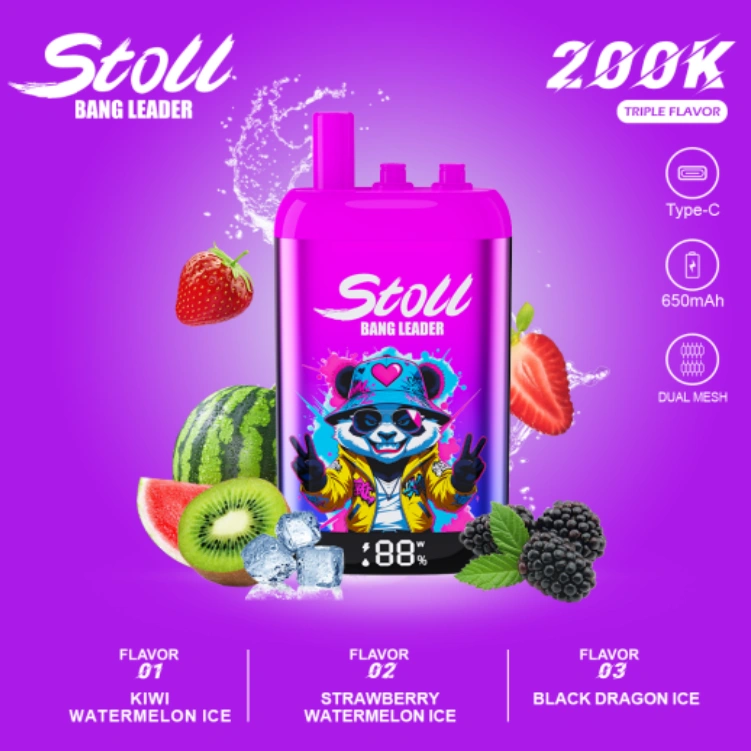
Unlike traditional tobacco fire risks that primarily stem from open flames and smoldering materials, disposable electronic cigarette fire incidents almost always trace back to internal battery failures triggered by physical damage, improper environmental exposure, or mishandling. Effective prevention strategies focus on eliminating these root causes through informed user behavior, proper storage practices, and vigilant damage recognition.
Physical Damage Prevention and Daily Handling
The most common fire hazard trigger for disposable electronic cigarettes involves physical compromise of the internal lithium-ion battery cell. Even seemingly minor impacts—dropping the device onto hard surfaces, squeezing it tightly in a crowded pocket, or applying excessive pressure when seated—can create microscopic tears in the battery separator layers. These tears allow direct contact between the positive and negative electrodes, creating an internal short circuit that rapidly generates extreme heat. Users should develop the habit of inspecting their device after any significant impact, looking for signs of deformation, bulging casing, or unusual warmth that could indicate internal damage.
Pocket and bag storage practices represent a critical daily risk point that many users overlook. When loose devices share space with metal objects like keys, loose change, or other sharp-edged items, the risk of puncturing the device casing or accidentally activating it becomes significant. A punctured battery can immediately go into thermal runaway, while unintended continuous activation can cause the heating element to overheat without proper airflow for cooling. Simple protective measures—keeping the device in a dedicated, isolated pocket compartment or a soft protective sleeve—eliminate these contact risks without adding significant bulk or inconvenience.
Avoiding forced disassembly or modification stands as a non-negotiable safety principle. Disposable electronic cigarettes are factory-sealed units designed to operate within specific electrical and thermal parameters. Any attempt to pry open the casing, tamper with internal components, or connect the device to external power sources (even if the user believes it is “dead”) bypasses all built-in safety protections. These modifications create unpredictable electrical conditions that can lead to sudden, violent thermal events with no prior warning. Even seemingly harmless actions like attempting to “recharge” a non-rechargeable disposable unit represent an extreme fire risk that should never be attempted under any circumstances.
Environmental Exposure and Temperature Control
Extreme temperature exposure represents the second major category of fire hazard for disposable electronic cigarettes. High-temperature environments accelerate the chemical reactions inside lithium-ion batteries, reducing internal resistance and making thermal runaway far more likely. Common high-risk scenarios include leaving devices inside closed vehicles during hot weather (where interior temperatures can exceed 65°C even on moderately warm days), placing them near direct sunlight on car dashboards, or storing them close to heat sources like radiators, space heaters, or kitchen stovetops. Users should always treat these devices as temperature-sensitive electronics, never allowing them to remain in locations where they could be exposed to temperatures above 45°C for extended periods.
Low-temperature extremes also create hidden fire risks that many users fail to recognize. When lithium-ion batteries are exposed to freezing temperatures, their internal chemical composition changes in ways that can cause permanent damage to electrode structures. If a device that has been frozen is then rapidly brought into a warm environment, the sudden temperature shift can create internal short circuits or cause condensation that compromises electrical insulation. Users who regularly operate in cold climates should keep their disposable electronic cigarettes in inner clothing pockets close to body temperature, preventing them from dropping below freezing for extended periods.
Proximity to flammable materials represents an often-overlooked secondary risk factor. Even a properly functioning device that experiences an unexpected thermal event can ignite nearby combustible materials like loose cotton, paper, aerosol cans, or concentrated alcohol-based cleaning products. Users should avoid using or storing disposable electronic cigarettes in locations where they rest directly on highly flammable surfaces, particularly beds, couches, or piles of fabric that could smolder if the device unexpectedly overheats. Maintaining clear separation between the device and any easily ignitable materials provides an additional safety buffer even if other preventive measures fail.
End-of-Life Disposal and Waste Management
The fire hazard does not disappear when a disposable electronic cigarette reaches the end of its usable life—in fact, depleted or partially discharged units often present elevated risk levels. As the internal battery cell degrades through repeated charge-discharge cycles (or through normal depletion in a disposable unit), the internal separator material becomes increasingly fragile and susceptible to failure. Discarding these units directly into general household waste creates a dangerous situation where they can be crushed by other refuse, punctured by sharp waste items, or subjected to pressure in garbage bags and collection trucks. This is the exact scenario that has led to numerous documented waste processing facility fires worldwide.
Proper disposal procedures require separating the device from general household waste entirely. Users should never throw used disposable electronic cigarettes into regular trash bins, recycling containers, or compost piles. Instead, they should collect all depleted units in a dedicated, non-conductive, fire-resistant container—ideally a metal can with a tight-fitting lid—until they can be delivered to a designated battery recycling drop-off point. Many local hardware stores, electronics retailers, and municipal waste management programs maintain specific collection points for lithium-ion battery waste, ensuring these devices are processed through specialized recycling systems designed to prevent thermal events during material recovery.
Recognizing and responding to early warning signs of battery failure prevents most potential fire incidents before they escalate. Users should immediately discontinue use and safely isolate any device that exhibits unusual symptoms: unexpected warmth during normal use, strange chemical odors, bulging or deformed casing, unexpected flickering of any indicator lights, or any performance change that seems inconsistent with normal operation. When a device shows these warning signs, it should be moved to a completely non-flammable, open outdoor location away from people and buildings, placed on a concrete or metal surface, and monitored from a safe distance for at least several hours before being transferred to proper battery disposal. This immediate, cautious response represents the final critical layer of protection that prevents minor device anomalies from developing into serious fire incidents.