

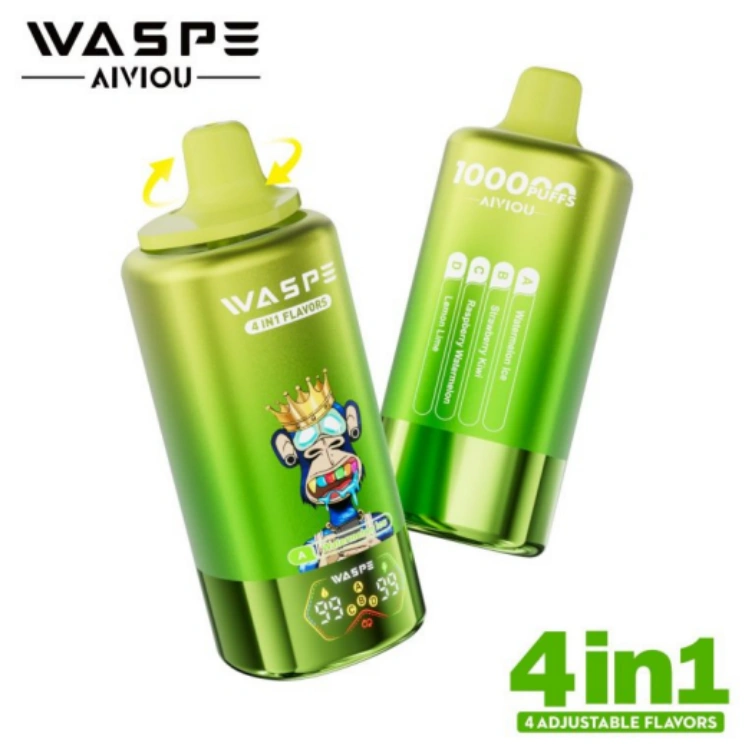
The question of whether a disposable electronic cigarette requires charging after initial use depends entirely on its specific internal design and intended puff count. Traditional disposable units were engineered as fully self-contained, single-use systems that never needed external power input. However, modern iterations with much larger e-liquid capacities have introduced a new variable: a built-in rechargeable battery. Understanding this distinction is key to maximizing the device’s full potential and avoiding premature disposal.
Identifying the Two Core Design Categories
The most straightforward way to determine if your unit can be charged is to inspect the exterior of the device. The classic, no-charge disposable has no visible port on its casing. Its internal battery is precisely sized to deliver enough power to fully vaporize every drop of e-liquid inside. Once the battery is depleted, the device simply stops producing vapor, even if a small amount of residual liquid might theoretically remain. The newer, high-puff variants, by contrast, feature a small, standard charging port, usually located at the bottom. This design acknowledges that the larger volume of e-liquid far exceeds the capacity of a single, non-rechargeable cell, making a top-up necessary to finish the entire contents.
Practical Charging Protocols for Rechargeable Disposables
If your unit is equipped with a charging port, follow a simple, safe charging routine. Connect it to a low-voltage power source using a compatible cable, and allow it to charge for approximately 30 to 45 minutes. Most units will indicate a full charge through a steady or extinguished LED light. It is important to note that these devices are not designed for hundreds of charge cycles. The typical lifespan allows for roughly 3 to 4 full top-ups, which is exactly the number needed to consume all the pre-filled e-liquid. Attempting to charge it beyond this point once the liquid is completely gone serves no functional purpose and can stress the small internal battery.
Critical Safety and Usage Boundaries
Regardless of whether the unit has a charging port, it is designed for one-time use only. Once all the e-liquid has been fully vaporized, the device should be properly disposed of. Users should never attempt to pry open the casing to refill it with more liquid, as the atomizer coil and battery are not engineered for extended, repeated operation. Doing so creates significant risks of overheating, inconsistent vapor quality, and potential device failure. The sealed, all-in-one structure is intended to be discarded responsibly once its single, pre-loaded lifecycle is complete.