

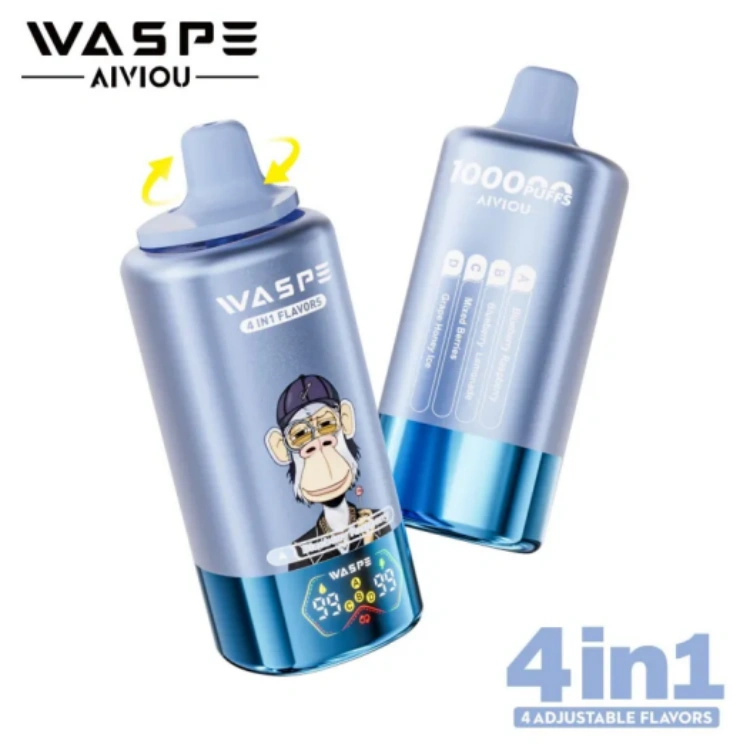
Many people who use disposable vaping devices end up confused about what to do with the internal battery once the device is fully used up. The sealed, all-in-one design makes it easy to assume the whole unit can go straight into regular trash, but this choice creates hidden safety and environmental risks that most people do not notice until it is too late. Understanding exactly how to handle the battery after use helps you avoid accidental fires, toxic leaks, and unnecessary harm to local waste management workers.
First, you should never rip open the device to pull the battery out on your own. The sealed casing is designed to keep internal components stable during normal use, and prying it apart with tools can puncture the lithium-ion cell inside. Even a small scratch on the battery’s outer layer can lead to overheating, sparking, or sudden combustion, especially if the damaged cell gets tossed into a trash bag full of paper, fabric, or other flammable waste. You also risk direct skin exposure to leftover residual liquid inside the device, which can cause irritation or accidental absorption through your hands.
Check the rules set by your local waste management and environmental agency before you decide on any next step. Different regions have very different requirements for how these devices and their embedded batteries should be handled, and some areas have dedicated drop-off points that accept fully used disposable units without requiring you to separate any parts. Many local public health departments also post clear, up-to-date guidance online that tells you exactly where to bring these items, so you do not have to guess if you are following the correct protocol.
If local guidelines do allow for battery separation, you need to take extremely careful, gentle steps to access the cell without applying too much force. Use a soft, non-sharp edge to slowly work apart the seams of the outer casing, and stop immediately if you feel any resistance or see the casing starting to bend or crack unexpectedly. Once the battery is free, cover both of its contact ends with non-conductive tape to eliminate the risk of accidental short-circuiting, then place it in a separate, clearly labeled container that is kept in a cool, dry spot away from direct sunlight or other heat sources. Never toss this taped battery into your regular household trash, and never drop it into a standard recycling bin meant for paper or plastic.
For areas that do not support user separation, you can place the entire fully used, intact device into a sealed, leak-proof bag before bringing it to a designated hazardous waste collection site. This keeps any leftover residual liquid from leaking out during transport, and it prevents the device from being accidentally crushed by other heavy waste in your bin before you can drop it off. Most collection events and permanent household hazardous waste facilities have dedicated bins set up specifically for these kinds of lithium-containing used devices, so staff can process them safely without risking damage to other materials in the waste stream.
Never rinse the device or its internal components under running water to clean out leftover residue. That water will immediately become contaminated with trace amounts of nicotine and other chemical compounds, turning it into hazardous liquid waste that cannot be poured down a regular drain. This contaminated water can seep into local sewer systems and eventually make its way into nearby rivers or groundwater, creating long-term harm for local wildlife and water supplies.
You should also never leave fully used devices sitting in a hot car, next to a stove, or on a windowsill that gets direct midday sun before you can drop them off. Even after the device stops producing vapor, the battery inside can still hold a significant amount of residual charge, and exposure to high temperatures can cause it to swell, leak, or catch fire even when you are not nearby. Storing these used units in a cool, temperature-stable space until your next trip to a collection point eliminates almost all of these unnecessary avoidable risks.